
Protein Calculator
Protein Calculator
Calculate Daily Protein Requirements & Guidelines
Awaiting Inputs
Provide height, weight, activity, and age inputs to evaluate institutional recommended ranges.
What are Proteins?
Proteins are one of three primary macronutrients that provide energy to the human body, along with fats and carbohydrates. Proteins are also responsible for a large portion of the work that is done in cells; they are necessary for proper structure and function of tissues and organs, and also act to regulate them. They are comprised of a number of amino acids that are essential to proper body function, and serve as the building blocks of body tissue.
There are 20 different amino acids in total, and the sequence of amino acids determines a protein's structure and function. While some amino acids can be synthesized in the body, there are 9 amino acids that humans can only obtain from dietary sources, termed essential amino acids. Foods that provide all of the essential amino acids are called complete protein sources, and include both animal (meat, dairy, eggs, fish) as well as plant-based sources (soy, quinoa, buckwheat).
Proteins act as antibodies that protect the body from foreign particles (such as viruses and bacteria) by binding to them. As enzymes, they accelerate the chemical reactions that occur throughout the body.
Messenger proteins transmit chemical signals to coordinate cellular processes. Transport and storage proteins bind and carry atoms and small molecules within cells and throughout the bloodstream.
Structural proteins provide support and rigidity at the cellular level. They build connective fibers, muscle tissues, and organs that ultimately enable the body to move and maintain integrity.
How Much Protein Do I Need?
The amount of protein that the human body requires daily is dependent on many conditions, including overall energy intake, growth of the individual, biological sex, and physical activity level. It is often estimated based on body weight, as a percentage of total caloric intake (10-35%), or based on age alone.
A commonly cited Recommended Dietary Allowance (RDA) is 0.8 grams of protein per kilogram of body weight (0.36 grams per pound). This value is the minimum recommended value to maintain basic nutritional requirements and prevent muscle wasting.
Consuming more protein—up to a certain point—can be highly beneficial. The recommended range of protein intake is between 0.8 g/kg and 1.8 g/kg of body weight. People who are highly active, or who wish to build muscle mass, should generally consume more protein (often ranging from 1.8 to 2.0+ g/kg).
| Age Group | Grams / Day |
|---|---|
| Age 1 - 3 | 13 g |
| Age 4 - 8 | 19 g |
| Age 9 - 13 | 34 g |
| Age 14 - 18 (Girls) | 46 g |
| Age 14 - 18 (Boys) | 52 g |
| Age 19 - 70+ (Women) | 46 g |
| Age 19 - 70+ (Men) | 56 g |
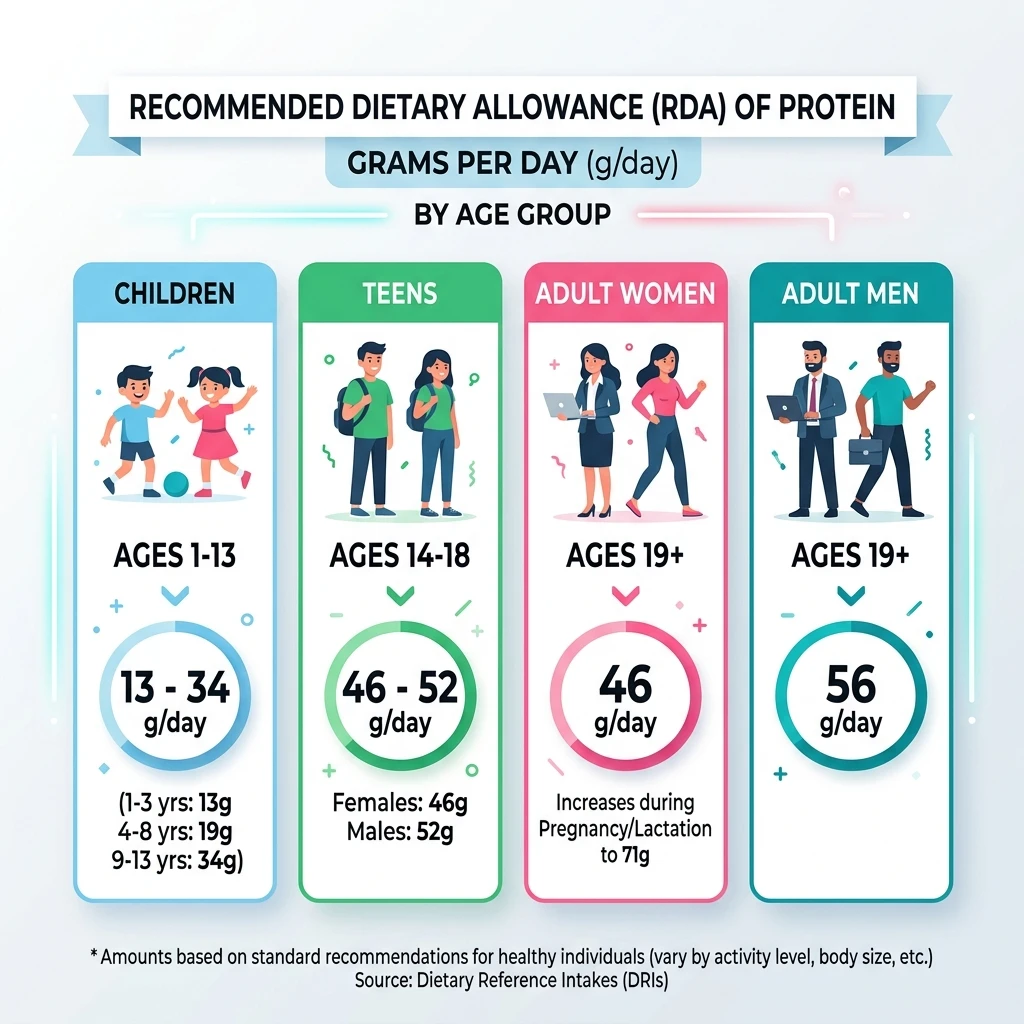
Figure 1: Average Recommended Dietary Allowance (RDA) of protein.
Extra Protein Requirements for Pregnancy & Lactation
During pregnancy and lactation, protein demands increase substantially to support fetal development, tissue expansion, and milk synthesis:
| Trimester / Stage | Additional Protein Needed | Additional Energy (kJ/day) | Protein : Energy Ratio |
|---|---|---|---|
| Pregnancy Trimester 1 | +1 g / day | 375 kJ | 0.04 |
| Pregnancy Trimester 2 | +10 g / day | 1,200 kJ | 0.11 |
| Pregnancy Trimester 3 | +31 g / day | 1,950 kJ | 0.23 |
| Lactation (First 6 months) | +19 g / day | 2,800 kJ | 0.11 |
| Lactation (After 6 months) | +13 g / day | 1,925 kJ | 0.11 |
Complete vs. Incomplete Protein Foods
A complete protein contains adequate amounts of all nine essential amino acids required in the human diet. In contrast, incomplete proteins are low in one or more essential amino acids. Consuming a variety of incomplete protein sources throughout the day allows them to complement each other to cover your needs.
Protein Content in Common Foods
The table below lists the average protein content found in standard servings of common whole and prepared foods:
| Food Item | Serving Size | Average Protein (g) |
|---|---|---|
| Seafood (Salmon, Tuna) | 2 oz / 57 g | 16 g |
| Meat (Chicken, Beef, Pork) | 2 oz / 57 g | 14 g |
| Pizza | 1 slice / 107 g | 12 g |
| Hamburger (Medium size) | 1 serving | 20 g |
| Dry Beans | 1 cup / 92 g | 16 g |
| Corn | 1 cup / 166 g | 16 g |
| Nuts | 1 cup / 92 g | 20 g |
| Milk | 1 cup / 8 oz | 8 g |
| Whole Grain Bread | 1 slice / 64 g | 8 g |
| Large Egg | 1 large / 50 g | 6 g |
| Brown Rice | 1 cup / 195 g | 5 g |
| Fruits & Vegetables | 1 cup | 0 – 1 g |
Frequently Asked Questions
What happens if I consume too much protein?
+
For most healthy individuals, a high-protein diet does not cause harm when accompanied by adequate hydration. However, excessive consumption over long periods can strain the kidneys in people with pre-existing kidney disease, and if protein is sourced mostly from high-fat red meats, it can increase cardiovascular risks.
Can I get enough protein on a vegan or plant-based diet?
+
Yes. By consuming a wide variety of plant foods such as beans, lentils, chickpeas, oats, tofu, tempeh, nuts, and seeds, you can easily obtain all essential amino acids. Combos like rice and beans or peanut butter on whole grain bread form complete proteins.
Is it better to consume protein before or after a workout?
+
Research indicates that total daily protein intake is the most critical factor for muscle repair. However, consuming 20-30g of protein within 2 hours post-workout can optimize muscle protein synthesis and support muscle tissue recovery.
What is the difference between essential and non-essential amino acids?
+
Of the 20 amino acids, 9 are essential because the human body cannot synthesize them; they must be obtained through food. The other 11 are non-essential because the body can produce them internally.