One Rep Max Calculator
One Rep Max Calculator
Estimate Maximum Strength & Load Distributions
Awaiting Inputs
Provide weight lifted, repetitions completed, and calculation formula, then click calculate to view strength breakdowns.
What is a One Rep Max (1RM)?
Your One Rep Max (1RM) is the maximum amount of weight you can lift for a single repetition of a given exercise with proper technique. It is the gold standard metric used in powerlifting, Olympic lifting, and general strength training to gauge absolute muscle strength.
Rather than performing a risky maximal effort lift, which can lead to injury and nervous system fatigue, lifters calculate their 1RM by lifting a lighter submaximal load for multiple repetitions. Mathematical formulas then project your absolute maximum from this submaximal performance, allowing you to design percentage-based strength templates safely and effectively.
Using 1RM to Target Training Zones
Once you establish your estimated 1RM, strength programs use percentages of this number to target specific neuromuscular adaptions:
| Intensity Zone | % of 1RM | Target Reps | Adaptation Outcome |
|---|---|---|---|
| Absolute Strength / Power | 85% – 100% | 1 – 5 reps | Recruits high-threshold motor units to optimize myofibrillar density. |
| Hypertrophy / Muscle Growth | 65% – 80% | 6 – 12 reps | Maximizes metabolic stress and sarcoplasmic volume growth. |
| Local Muscular Endurance | 50% – 60% | 15 – 25+ reps | Enhances capillary density, mitochondria concentration, and buffering capacity. |
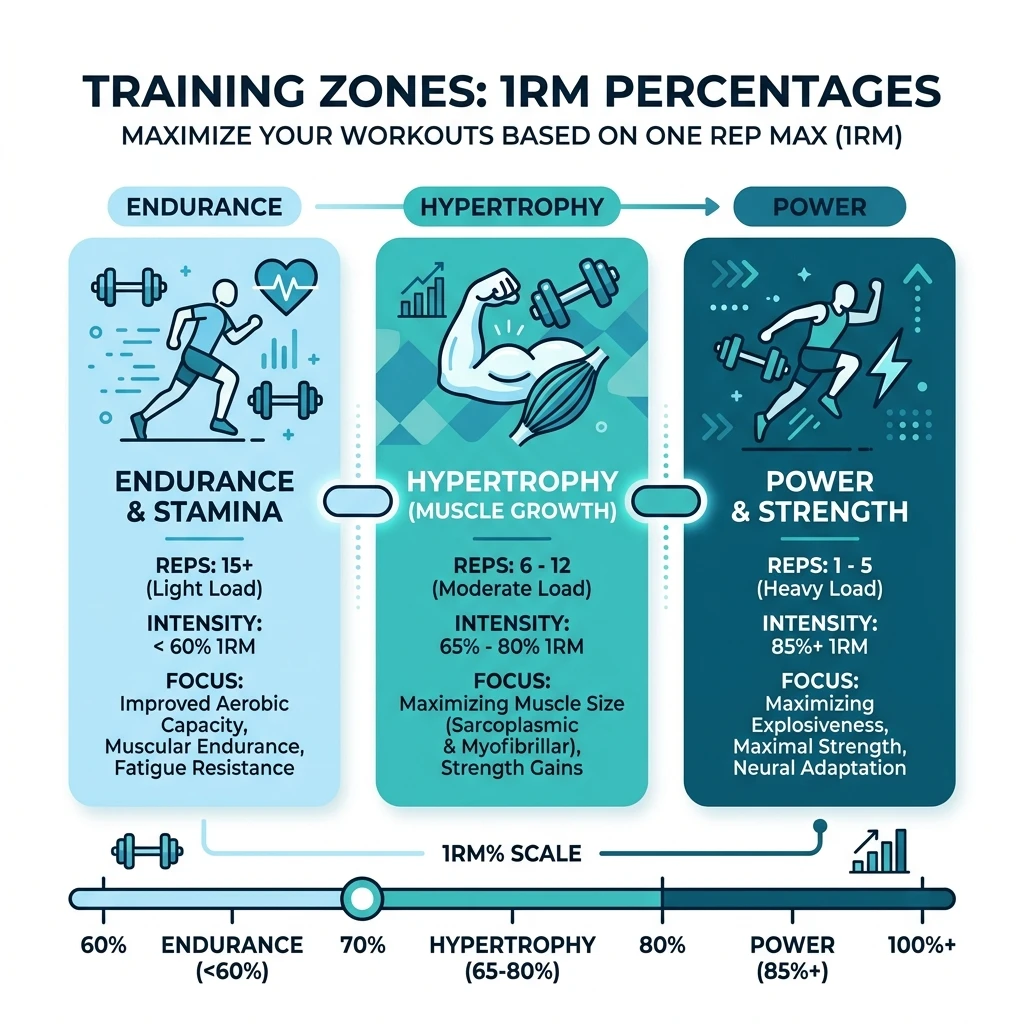
Figure 1: Percentage of 1RM training zone distributions.
Guidelines for Safe Strength Testing
Directly testing a 1-repetition maximum places extreme tension on joints, tendons, and muscles. Follow these clinical safety principles during your heavy compound sessions:
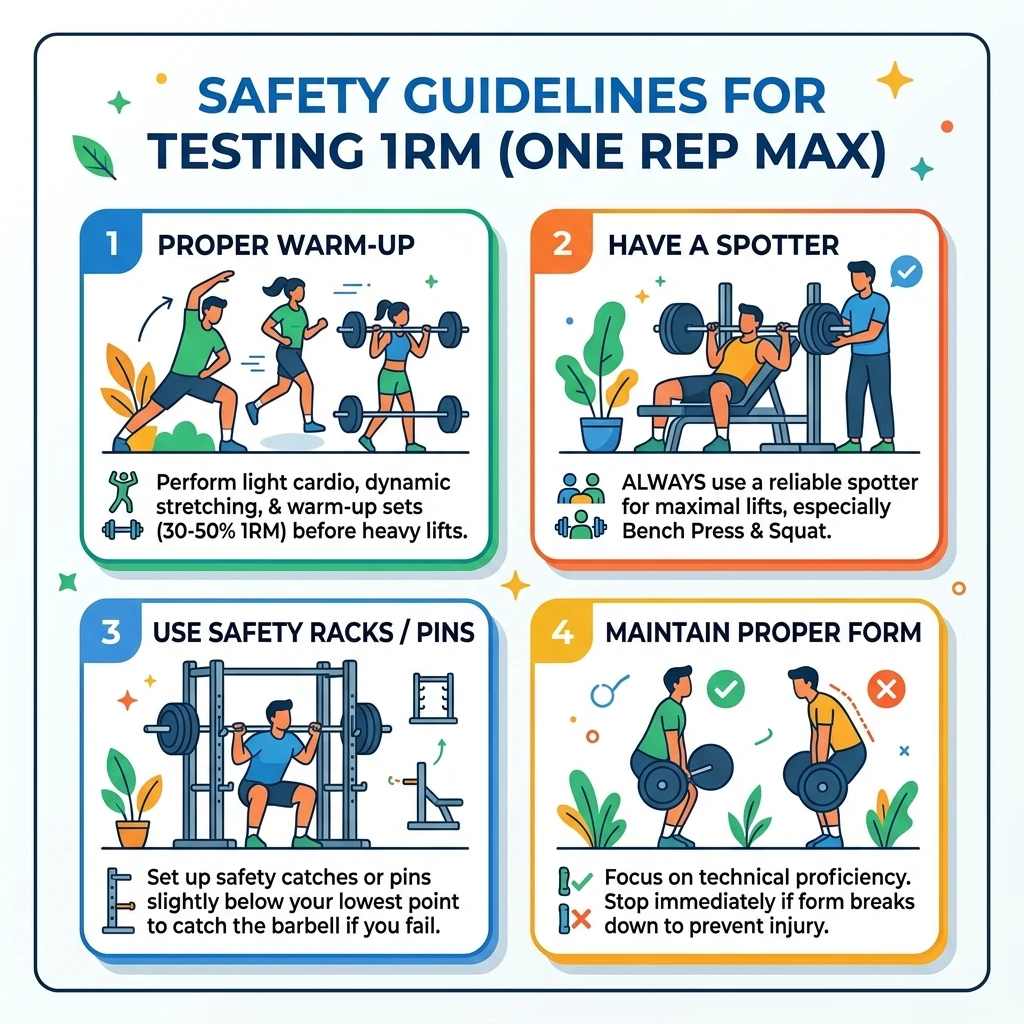
Figure 2: Checklist for safety during maximal load testing.
Always adjust the safety racks or pins in a power rack to a level just below the bottom of your range of motion. This allows you to bail out safely if you fail a lift.
When benching or squatting heavy loads, a spotter provides immediate assistance if you hit a sticking point or fail to complete the concentric phase of the lift.
Never jump straight to a working weight. Perform a thorough general warm-up, followed by specific ramping sets (e.g. 50% for 5, 70% for 3, 85% for 1) to prepare motor unit recruitment.
How 1RM is Projected
The calculator uses submaximal weight ($w$) and repetitions completed ($r$) to project absolute 1RM using six mathematically validated equations:
Frequently Asked Questions
How accurate are submaximal 1RM calculations?
+
They are highly accurate (typically within 1–3%) when the reps completed are between 1 and 8. As repetitions increase above 10, cardiovascular fatigue, changes in mechanical leverage, and individual muscle fiber composition differences make the formulas significantly less reliable.
How often should I test my 1RM?
+
Testing your actual 1RM directly should be done sparingly, such as at the end of a training block (every 8 to 12 weeks) or during a competition. For weekly programming, using submaximal estimates from the calculator is safer and places far less wear and tear on your joints.
Why do different formulas yield different results?
+
Each formula was formulated by researchers studying different athletic populations. For example, the Brzycki formula is highly popular and works exceptionally well in intermediate weight ranges, while the Epley formula is often preferred for compound powerlifts (squat, bench, deadlift).
Can I use this calculator for bodyweight exercises?
+
Yes. To estimate 1RM for bodyweight movements like pull-ups or dips, use your total weight (bodyweight + any added plate weight). For exercises like push-ups, the calculator is less accurate because you only lift roughly 60-70% of your body weight in the plank position.